- Blogs
A Respirator in a Warehouse Is Not the Same as Respiratory Preparedness
By Victoria Slaughter, PPE Program Director
10/20/26
The expanding Ebola outbreak in the Democratic Republic of the Congo, earlier cases in neighboring Uganda, and the recent detection of an imported case in Kenya are sobering reminders that biological threats can move across borders before public health systems have time to fully mobilize.
At the same time, reports of a laboratory worker’s death in Russia have prompted international concern about pneumonic plague, a serious respiratory infection caused by Yersinia pestis.
These incidents involve different pathogens, transmission routes and response requirements. They should not be conflated. But they illustrate the same preparedness principle: public health agencies and critical institutions must be ready to respond to biological threats as they emerge.
That principle is central to our work at Blueprint Biosecurity, a nonprofit dedicated to strengthening society’s ability to anticipate, prepare for and respond to biological threats. We advance practical, pathogen-agnostic countermeasures that can help protect people across a range of threats, including personal protective equipment, air treatment technologies, and other tools that do not depend on immediately identifying or developing a response to one specific pathogen.
Respirator preparedness is particularly important because biological emergencies often begin with uncertainty. Public health officials may not immediately know what pathogen they are confronting, precisely how it is spreading or which workers face the greatest exposure. Properly fitted respirators can provide an important protective layer while scientists and officials work to answer those questions. Respiratory protection is therefore not simply another item on a preparedness checklist. It is a day-one capability that helps critical workers continue operating while more targeted countermeasures are developed and deployed.
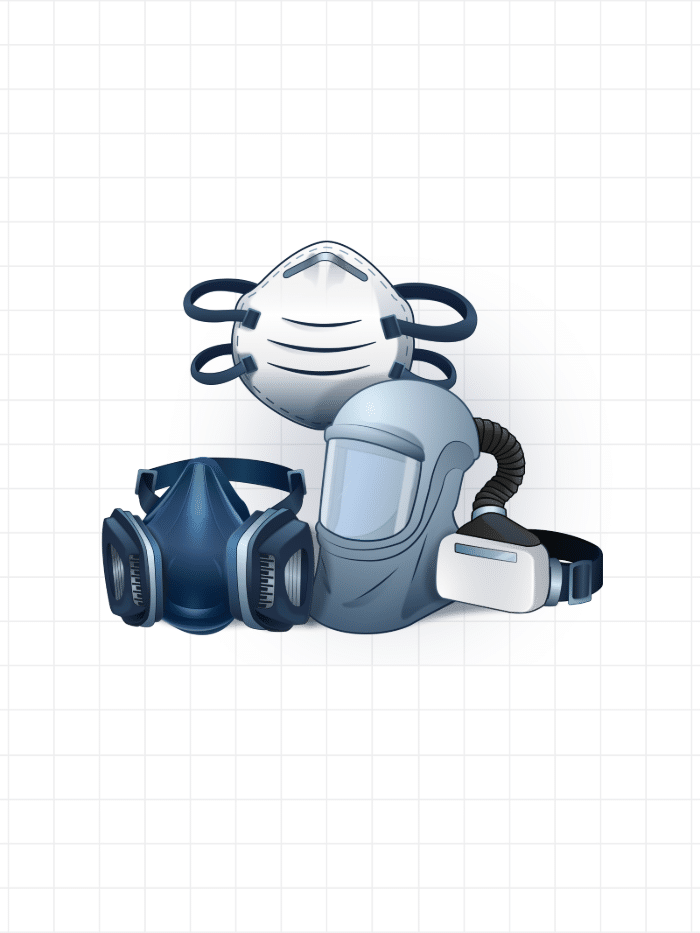
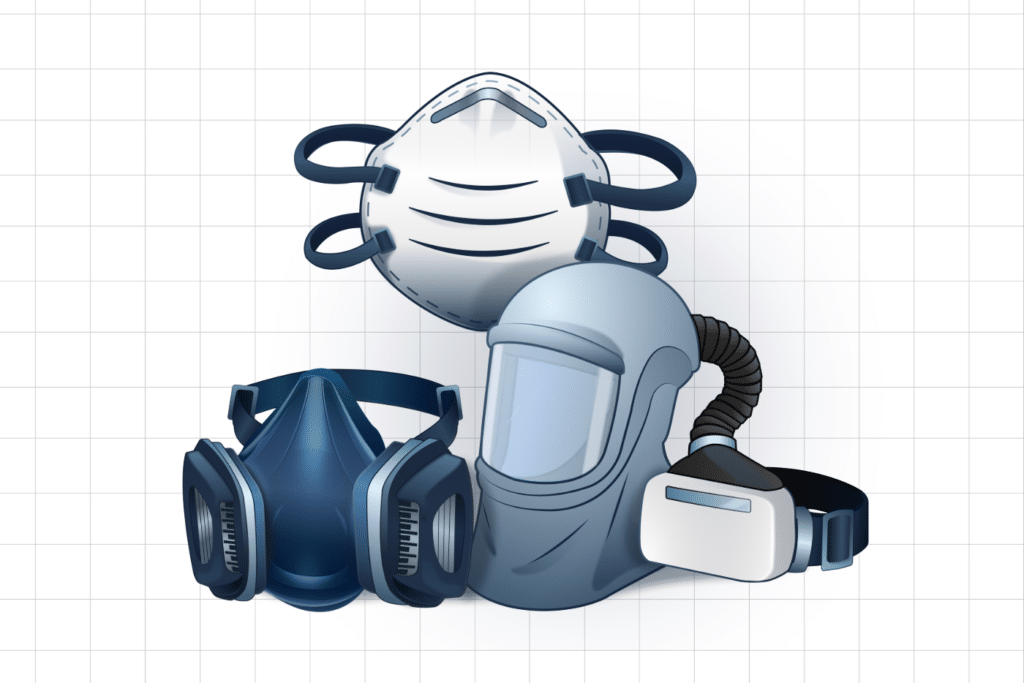
A practical strategy begins with sufficient stockpiles of high-quality respiratory protection for workers who may encounter elevated risks. Depending on the threat and occupational setting, those supplies may include disposable N95 respirators, reusable elastomeric half mask respirators (EHMRs) and higher levels of protection for specialized response teams.
Stockpiles must also be diversified. A single respirator model will not fit every worker, remain appropriate for every task or provide the right protection for every biological threat. Public health agencies need equipment that can support different face shapes, job functions, exposure levels and operational environments.
But equipment sitting in a warehouse is not preparedness.
Respirators work only when institutions know what they have, where it is stored and how to distribute it quickly. Workers need fit testing, training and opportunities to practice putting on, using and removing their equipment. Agencies need clear deployment protocols, reliable inventory controls and plans for replacing filters and other components. Supplies must be properly maintained so they remain usable when an emergency occurs.
Those capabilities cannot be improvised during the first days of an outbreak. Public health officials are already managing surveillance, laboratory testing, contact tracing, clinical care, communications and logistics. That is the worst possible time to discover that respirators do not fit, critical components are unavailable or workers have never been trained to use the equipment they have been issued.
Sustaining readiness also requires more than purchasing supplies once. Strategic stockpiles should be paired with strong domestic manufacturing capacity that can increase production when sustained demand emerges. The objective is not to store every respirator the country could ever need. It is to maintain enough immediately deployable protection for the initial response while manufacturers scale production. This approach can protect workers, reduce dependence on vulnerable supply chains and help essential services continue operating.
Preparedness is often invisible when it works. A trained worker puts on the correct respirator. A response team enters a high-risk environment safely. A laboratory, hospital or public health agency continues operating without losing essential personnel.
The biological threats making news today will eventually be contained. The responsibility to prepare for the next one will remain. Respirators, well-managed stockpiles, trained personnel and scalable manufacturing should be treated as essential public health infrastructure, ready before the next emergency begins.