- Blogs
National Preparedness Month: Bolstering Preparedness and Response Efforts Through Stockpiling
A quick overview of the respiratory protection stockpiling, gaps, and the work ahead
09/25/26
September is National Preparedness Month. This observance marks an important time across the nation to educate the public and identify opportunities to prepare ahead of a public health emergency. At Blueprint Biosecurity, we approach this work through several different lenses, but one area we see as broadly applicable during a public health emergency is personal protective equipment (PPE).
Ensuring that respiratory protection, especially high-quality respirators, is available before a public health emergency helps give critical workers access to the equipment they need to safely maintain essential functions in the earliest days of a potential pandemic.
To help ensure that happens, our PPE work has focused on three main pillars:
- Advocating for the stockpiling of respiratory protection across all levels of government
- Strengthening domestic supply chains and surge manufacturing capacity for respiratory protection
- Identifying and addressing barriers that prevent critical workers from successfully using respiratory PPE
We believe one of the most tangible ways the federal government and jurisdictional entities can prepare for an emergency is to maintain centralized stockpiles of respiratory protection so critical workers have access to the equipment they need from day one.
Why Is Stockpiling Respirators Important for Preparedness?
Effective pandemic preparedness and response efforts require multiple levels of protection to build resilience. During a public health emergency or a widespread infectious disease outbreak, respiratory PPE supply chains can be overwhelmed by increased demand, leaving critical workers without adequate protection.
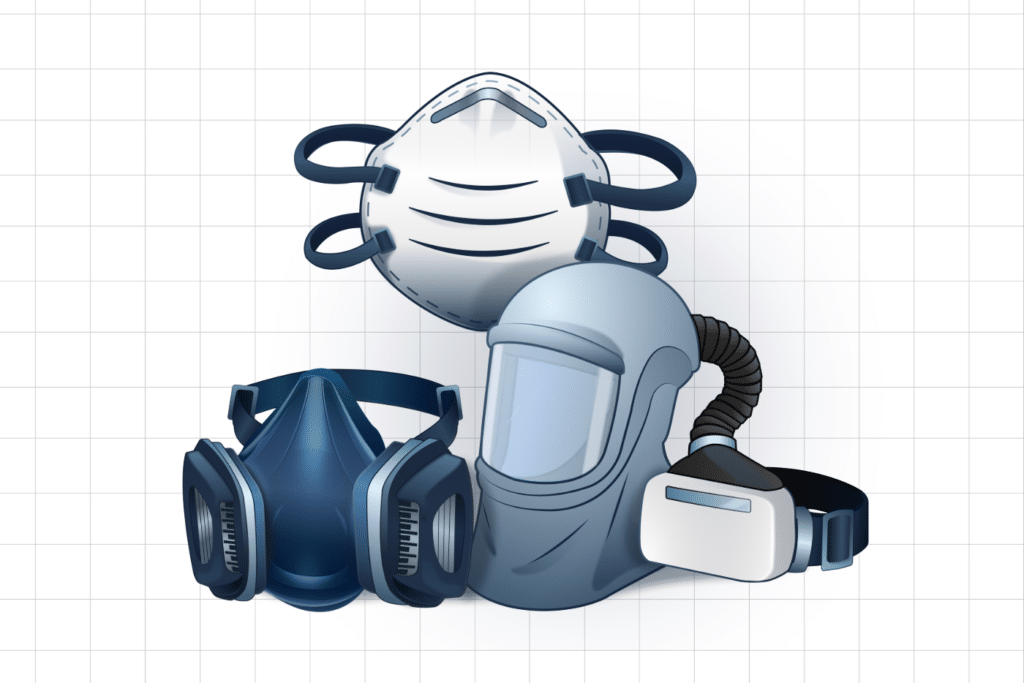
Stockpiling respirators and related equipment in advance can help bridge the gap when routine supplies cannot meet demand. Stockpiles can include both disposable respirators, like N95s, and reusable respirators, including elastomeric half mask respirators (EHMRs) and powered air-purifying respirators (PAPRs), along with necessary components such as replacement filters. These supplies may be held in centralized or regional stockpiles, prepositioned at healthcare facilities or workplaces, or maintained through vendor-managed arrangements.
The Strategic National Stockpile (SNS), managed by the Administration for Strategic Preparedness and Response (ASPR), is the nation’s largest repository of emergency medicines and supplies. More specifically, the SNS plays an important role in maintaining federal reserves of PPE. These supplies are stored in strategically located facilities across the U.S. to support rapid deployment during an emergency.
Federal and Jurisdictional Stockpiles Provide Complementary Layers of Preparedness
While centralized federal stockpiling is crucial, no single stockpile can meet every need during a large-scale public health emergency. Jurisdictional stockpiling, in which state, local, tribal, or territorial governments maintain or support respiratory protection supplies for their populations and critical workforces, can provide an additional layer of preparedness to complement federally owned stockpiles.
Stockpiles managed at the state and local levels can provide faster access to supplies, better account for local workforce and population needs, and increase the total quantity of respirators available nationwide. However, simply having respirators in storage is not enough. Preparedness planners must consider how inventory will be maintained, rotated, distributed, and replenished over time, as well as how stockpiling efforts will coordinate with healthcare systems, employers, and existing supply chains when demand suddenly increases.
Tailoring Stockpiling Approaches to Jurisdictional Needs
Jurisdictional stockpiling offers both opportunities and challenges. Several states have already developed state-managed PPE stockpiles, while others have explored legislation or temporary programs to establish similar capabilities.
Every jurisdiction faces different risks, workforce compositions, healthcare systems, public health system designs, and emergency response structures. This variation in needs is exactly why there is no one-size-fits-all approach to this level of stockpiling. A rural jurisdiction with a large geographic area may need to focus on where supplies are stored and how quickly they can reach distant communities. By contrast, a densely populated jurisdiction may need to plan for rapidly distributing large quantities of respirators across a concentrated population. Available funding, warehouse capacity, procurement systems, existing vendor relationships, and the roles of state and local governments can help inform which stockpiling models make the most sense.
How Blueprint Is Supporting Jurisdictional Stockpiling
Through conversations with preparedness officials across the country, we have seen how readiness varies from one jurisdiction to another. Some jurisdictions have established PPE stockpiling systems, while others are in the early stages of exploring how to build or strengthen their capacity. These conversations have reinforced that successful PPE stockpiling efforts will require meeting jurisdictions where they are rather than expecting them all to adopt the same model.
Blueprint is committed to strengthening respiratory protection preparedness at both the federal and jurisdictional levels. While jurisdictional stockpiles do not replace federal stockpiles like the SNS, they provide an additional layer of protection and reflect a shared responsibility for preparedness across all levels of government. Together, these efforts can create a more resilient preparedness system.
As our work progresses, we expect to deepen our understanding of the barriers jurisdictions face, identify sustainable approaches to storing and managing respiratory protection, and explore ways to support jurisdictions in stockpiling respirators. By strengthening preparedness at the jurisdictional level, we can help ensure critical workers have access to effective respiratory protection from the early stages of a pandemic.